What should a first small business website include?
Building a first website for a small business can feel like a task with too many unknowns. You might worry about cost, complexity, or whether the result will actually bring in customers. The good news is that a small business website does not need to be elaborate. It needs to be clear, trustworthy, and easy to use. A focused site that answers the main questions a visitor has will serve you far better than a flashy one that leaves people confused.
The core of any effective small business website is a set of essential pages and features that build credibility and make it simple for potential customers to take the next step. These elements are not optional extras; they are the foundation. Once you have them in place, you have a solid platform that you can grow over time. The trick is to resist the temptation to add everything at once and instead concentrate on what matters most for a first-time site.
Start with a clear home page
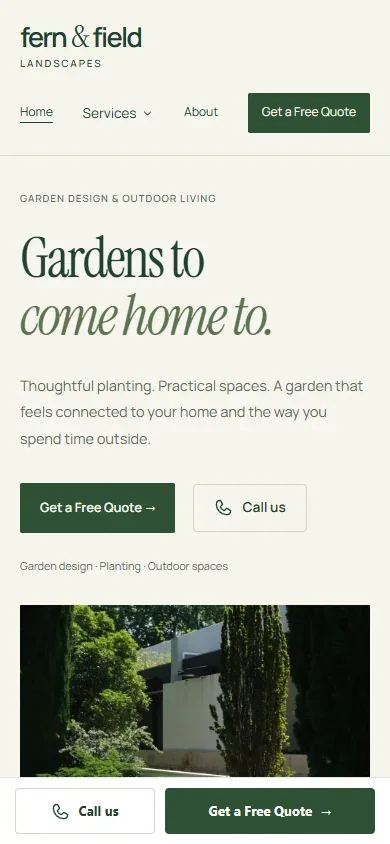
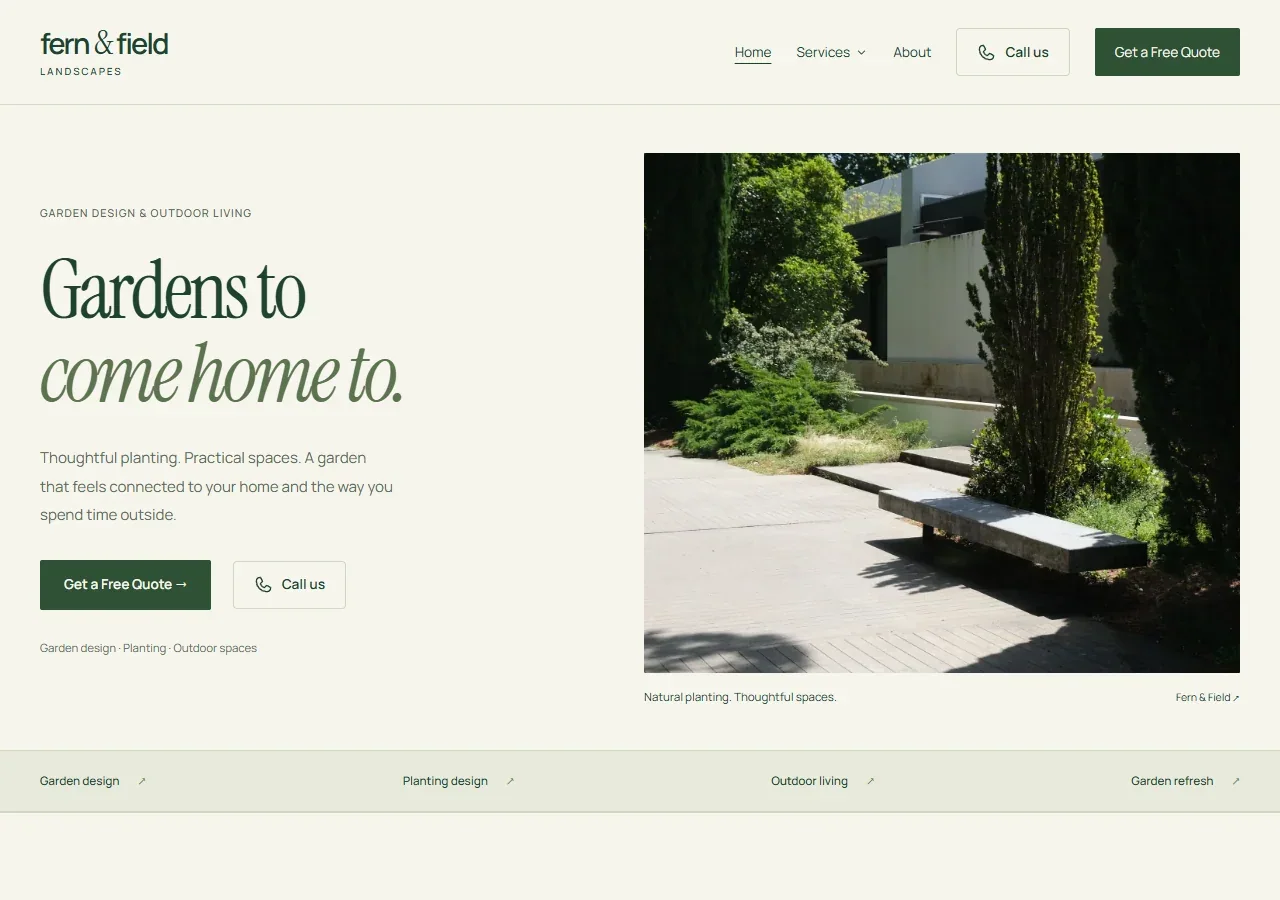
Your home page is the digital front door. Within seconds, a visitor should understand who you are, what you offer, and why it matters to them. This does not mean cramming every detail into the first paragraph. It means having a headline that states your core offering, a short sentence that explains the benefit, and a clear call to action that points to the next logical step. For example, if you run a landscaping business, the headline might say "Garden design and maintenance for Auckland homes" and the call to action could be "Request a free quote" or "See our recent projects."
The home page should also include a brief introduction to your business, perhaps a sentence or two about your approach or your team. A single, high-quality image that reflects your work or your location helps people feel they are in the right place. Avoid generic stock photos that could belong to any business. A real photo of your storefront, your team, or a finished project builds trust instantly.
Essential service or product pages
Every business needs at least one page that explains what it does in detail. If you offer multiple services, create a separate page for each one. This helps with search engine visibility because each page can target a specific phrase a potential customer might search for. For a first website, keep the language simple and focused on the customer's problem, not your internal jargon. Describe what you do, how it helps, and what the process looks like from the customer's side.
If you sell physical products, each product needs its own page with a clear description, price, and a way to buy or inquire. Even if you do not sell online, a page that lists your products with photos and descriptions helps people understand your range before they contact you.
Your contact information must be easy to find
A surprising number of small business websites hide their contact details. If a visitor has to hunt for your phone number or email address, they will likely leave. Include your business phone number, email address, and physical address (if you have a location customers can visit) in the header or footer of every page. Also create a dedicated contact page with a contact form. The form should ask for the essential information: name, email, phone number, and a message field. Keep it short. The longer the form, the fewer people will fill it out.
Your contact page is also a good place to mention your service area or business hours. If you are based in Auckland but serve the whole North Island, say that clearly. If you only work weekdays, let people know so they do not expect a Saturday reply.
About page: tell your story briefly
People buy from people. An About page gives you a chance to show the personality behind the business. Share a short version of how you started, what you value, and why you do what you do. This is not the place for a long biography. Two or three paragraphs that feel human and honest are enough. A photo of you or your team makes the page feel real. Avoid corporate language and clichés like "we are passionate about excellence." Instead, say something specific about your approach or your background that sets you apart.
Make sure the site works on mobile
More than half of web traffic now comes from phones and tablets. If your site does not display properly on a small screen, you will lose a large chunk of potential customers. A mobile layout means readable text without zooming, buttons that are easy to tap, and navigation that does not require precise aim. Many website builders automatically create a mobile-friendly version, but always check it yourself on an actual phone before you launch. Test the contact form, the menu, and a couple of pages. If anything is hard to use, fix it before you go live.

Choose a good domain name
Your domain name is your address on the web. It should match your business name as closely as possible, be easy to spell, and avoid numbers and hyphens if you can. A .nz domain is usually the best choice for a New Zealand business because it signals local presence. If your first choice is taken, try a different ending like .co.nz or a slight variation that still sounds natural. Avoid obscure extensions that confuse people. Once you have chosen a domain, register it for at least two years to show you are serious about staying in business.
Write clear website content
The words on your site matter more than the design. Good website content answers the questions a visitor has before they ask. Think about what someone wants to know when they land on your site: what do you offer, how much does it cost, how do I get it, why should I trust you, and what do I do next. Address these points plainly. Use short paragraphs and simple sentences. Break up text with headings so people can scan quickly. Avoid jargon and buzzwords. If a term is necessary, explain it in plain English the first time you use it.
Do not try to sound like a big corporation. A conversational tone that reflects how you actually speak to customers works best. Write as if you are explaining your service to a friend. That friend will appreciate clarity over cleverness.
A strong call to action on every page
Every page on your site should guide the visitor toward a specific action. This could be calling you, filling out a form, signing up for a newsletter, or visiting your store. The call to action should be visible without scrolling on most pages, and the language should be direct. "Get a quote," "Book now," "Call us today" are all clear and effective. Avoid vague phrases like "Learn more" or "Click here." Tell people exactly what will happen when they take the next step.
For a first small business website, you do not need a blog, a gallery, or a complex booking system. You need a solid foundation that makes it easy for a visitor to understand what you do and to contact you. Once that foundation is working well, you can add extras over time. The goal is to launch something functional and then improve it based on real feedback, not to wait until everything is perfect and never launch at all.
If you are unsure about the technical side of setting up a site, working with a local provider can save time and reduce stress. A company like sortedweb.co.nz, which focuses on small business website design and hosting across New Zealand, can help you get the essentials right without overcomplicating things. Their approach is built around the needs of small businesses, which means they understand the importance of keeping things practical and affordable.
When you are ready to build your site, start with the pages that matter most: home, services, about, and contact. Add a contact form, make sure everything works on a phone, and write content that speaks directly to your ideal customer. That is enough to launch. As you grow, you can add a portfolio, customer reviews, or a blog. But for a first site, focus on the basics. A simple, well-structured site that loads quickly and answers the main questions will do more for your business than a complicated site that tries to do everything at once.
Remember, your website is a tool. It does not need to be the most impressive site on the internet. It needs to be the most useful site for your specific customers. If you keep that principle in mind, you will make good decisions about what to include and what to leave for later. And if you ever feel stuck, a conversation with a local specialist like sortedweb.co.nz can give you the clarity you need to move forward with confidence.
Ends · MAINSTREETONLINE